Knowledge-based approach definition
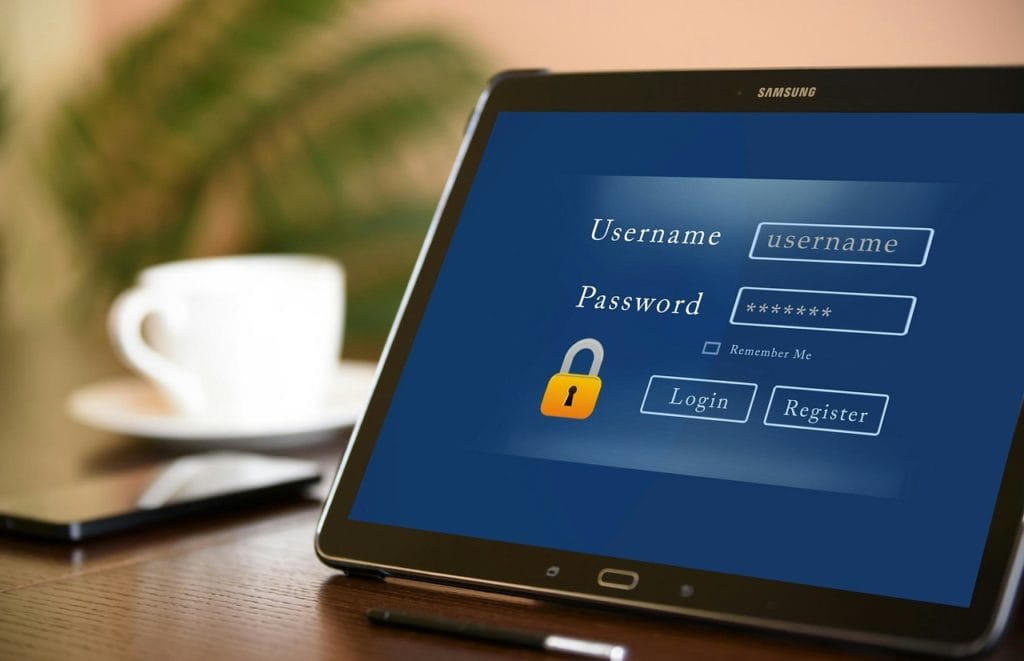
A knowledge-based approach in identity verification uses something known to identify or authenticate an individual. In practice, this usually means a password, PIN code, passphrase, or answers to security questions. If you can supply that piece of knowledge on demand, the system assumes you are the right person.
This sits alongside the other two classic categories of authentication:
- Biometric approaches — something you are (face, fingerprint, iris, palm).
- Token-based approaches — something you have (card, token, ID document, hardware key).
How a Knowledge-Based Approach Works?
At its simplest, a knowledge-based approach is a shared secret. The user creates something they can remember, but others cannot easily guess, and the system stores a representation of it. When the user returns, they type the same secret. If it matches what’s on file, access is granted. That’s a password or PIN in a nutshell.
Knowledge-based authentication comes in two main forms:
- Static knowledge – secrets chosen once and reused many times, such as website passwords, online banking PINs, or pre-set security questions (“What is your mother’s maiden name?”).
- Dynamic knowledge-based authentication – questions generated on the fly from data sources like credit files or telecom records (“Which of these streets have you lived on?”). These are meant to be known only to the genuine person.
In both cases, the system assumes that knowing the right answer proves you are the right person. Historically, this made sense when personal data was harder to obtain and people used a small number of well-guarded accounts. Today, with huge data leaks, social media oversharing, and password reuse, that assumption is much weaker.

Where Knowledge-Based Approach is Commonly Used?
Knowledge-based methods still appear in plenty of familiar places:
- Everyday logins – user names and passwords for email, social media, and e-commerce
- Banking and fintech – online banking credentials, PINs at ATMs, and sometimes extra knowledge checks for risky transactions
- Call centers and helpdesks – agents often ask “last four digits of your ID” or “your date of birth and ZIP code” before discussing account details
- Account recovery – security questions used to reset forgotten passwords or unlock accounts
- Legacy remote verification – older eKYC flows sometimes relied on data-based questions as proof of identity.
The appeal is obvious as passwords and questions are cheap to deploy, require no special hardware, and are widely understood. You don’t need a camera, a fingerprint sensor, or a smartphone. You just need a keyboard and something in your head, which is why it took hold so quickly in the early days of the internet. That era is now coming to an end.
The Initial Appeal of Knowledge-Based Approaches
A password form is easy to implement and works on almost any device. Organizations can roll out a login page in hours and connect it to existing user stores. For low-risk applications, this simplicity can still be attractive. There’s no need to ship cards, tokens, or capture biometrics. You just ask users to choose a password.
Users understand the basic idea: “pick a password, keep it private.” Companies can tune length and complexity rules, enforce changes, and build password reset flows without changing underlying business processes. For many years, knowledge-based methods were the only practical way to secure large consumer services at scale.
The problem is that the environment changed as attackers became more capable, and personal data became far easier to obtain. The original strengths haven’t gone away, but the weaknesses now dominate for anything beyond low-stakes use.
Knowledge-Based vs Token-Based vs Biometric Approaches
Looking at these authentication approaches side by side helps clarify why knowledge-based methods are losing ground:
Knowledge-based approach (something you know)
- Examples: passwords, PINs, static or dynamic KBA questions.
- Strengths: cheap, easy to deploy, no special hardware.
- Weaknesses: easily shared, stolen, guessed, or phished; heavily affected by breaches; high cognitive load for users.
Token-based approach (something you have)
- Biometric approach (something you are)
- Examples: face, fingerprint, iris, palm.
- Strengths: tied to the person, not easily transferable; convenient (no secrets to remember); can be combined with liveness and anti-spoofing.
- Weaknesses: needs good capture; must be designed with privacy and fairness in mind.
In modern identity verification and access control, knowledge-based methods increasingly stay in the background. They are mostly used for low-risk tasks or as a temporary fallback while tokens and biometrics take over primary authentication.
Why the Knowledge-Based Approach is Fading in Identity Verification?
In remote identity proofing and eKYC, the knowledge-based approach has specific limitations. Knowing a password or answering a credit-file question does not strongly prove that you are the person on a passport or ID card. It just proves you know some data about them. Fraudsters can buy or guess that data. By contrast, biometric verification (e.g., comparing a selfie with an ID photo plus liveness checks) directly links a live person to a trusted document.
Financial institutions in the EU and elsewhere face strict remote onboarding rules. Supervisors expect robust evidence: verified documents, biometric checks, and resistance to spoofing, not just “out-of-wallet” questions. Knowledge-based checks alone usually cannot satisfy these higher assurance levels, something that is strongly echoed by NIST guidelines.
Some people simply do not have long, stable data trails (young adults, migrants, underbanked populations). Knowledge-based questions based on credit history or prior addresses exclude them by design. Biometrics plus document verification, by contrast, can work even with minimal previous digital footprint, as long as a valid document or authoritative record exists.
For these reasons, knowledge-based approaches are now viewed as supporting characters rather than main actors in serious identity verification journeys.
Can Knowledge-Based Methods Ever Match Biometrics for Identity Verification?
For high-assurance identity proofing (e.g., opening a bank account remotely, issuing a digital ID), the answer is NO. Knowledge-based methods struggle to prove that the person behind a screen matches an official document, especially in an era of data breaches and social engineering. Biometrics combined with document verification and liveness checks provide a much stronger binding between identity data and a real, present human being.
The knowledge-based approach isn’t disappearing overnight, but it is being quietly retired from the front line of digital security in favor of methods that are harder to steal, easier to use, and better suited to the way people live and work today.